The Checker · ZIP-code lookup
A real picture of your tap water, in thirty seconds.
ZIP-code lookup powered by EWG and EPA Safe Drinking Water datasets. Then we come test your home directly · for free, with strips, meters, and a sample bottle.
EWG · EPA SDW · No email required
▶ START WITH PUBLIC DATA · END WITH YOUR ACTUAL TAP
EWG and EPA tell you what the utility puts out. We tell you what comes out of your faucet.
Public datasets are honest about source water. They can't tell you what your home's plumbing, hot-water tank, or fixture age does to the water between the meter and your kitchen sink. That's what our free in-home test is for.
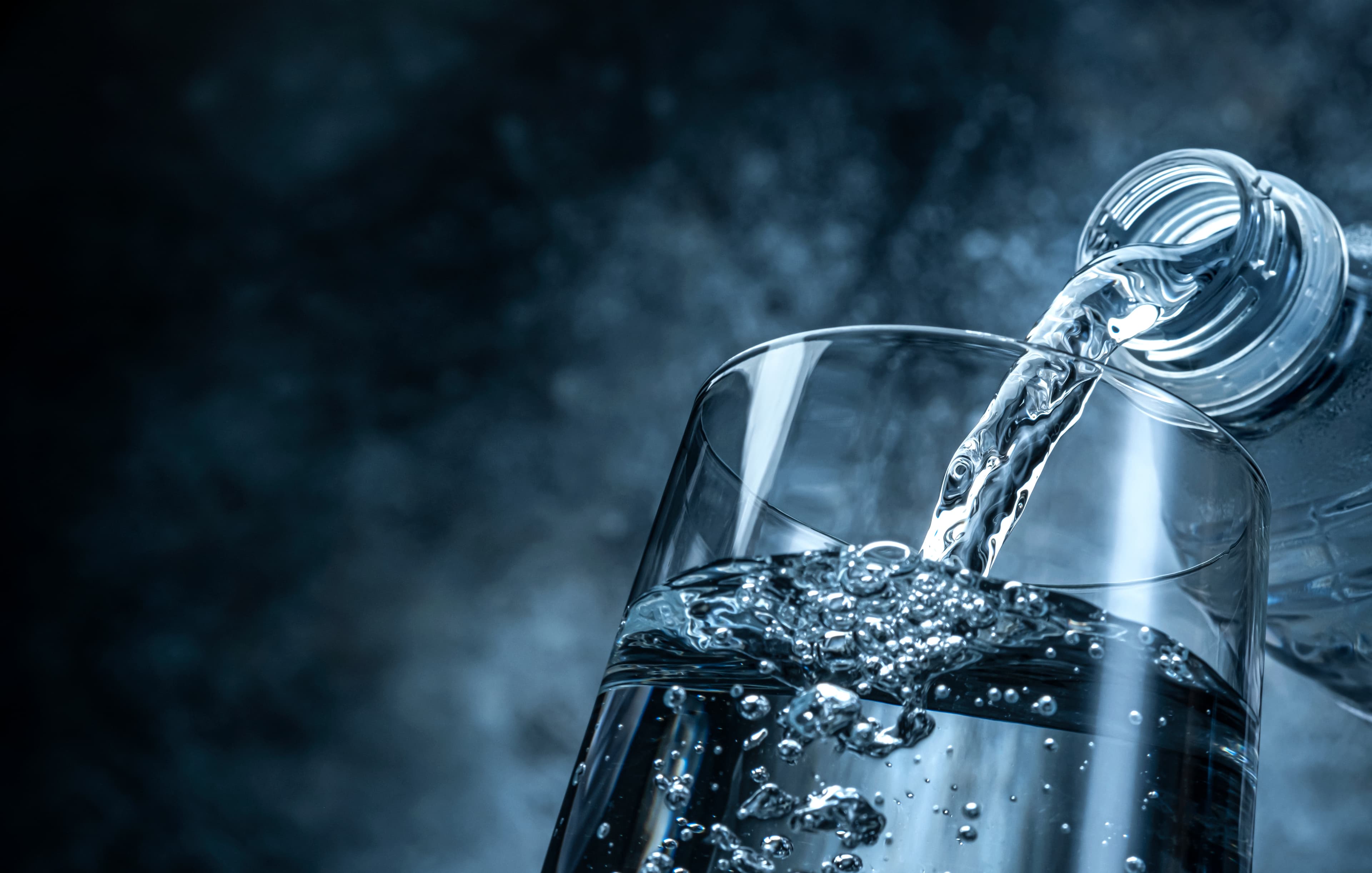
Strips · meters
sample bottle
curious what's in there? →
Type your ZIP. See your tap.
EWG + EPA data. Free in-home test if you want the real numbers.
The Baseline · SFV by region
What we usually find in SFV water.
- I
Woodland Hills, Northridge & Reseda (LADWP east-valley)
LADWP blends Owens Valley aqueduct water with groundwater. Recent reports show chlorine residuals typical of municipal supply, trihalomethanes from disinfection, and hardness commonly in the 10–17 gpg range. Carbon + KDF filtration paired with a descaler handles the day-to-day issues.
- II
Calabasas, Agoura Hills & West Lake Village (Las Virgenes MWD)
Las Virgenes pulls treated surface water from the State Water Project. Disinfection byproducts and seasonal chloramine adjustments are common. Older homes may also have lead solder on copper joints. Whole-home filtration is the right move.
- III
Encino, Tarzana, Chatsworth & West Hills
Some of the harder water in the SFV · most homes test in the 12–20 grains-per-gallon range. Scale on glass and chrome is the visible symptom; water-heater scale and appliance burnout are the expensive one. Softening is non-negotiable for appliance life.
- IV
Drinking-water specifics · everywhere in the SFV
Across every utility we work with, dissolved solids (TDS) commonly read 200–500 ppm at the tap. RO at the kitchen sink removes 99% of dissolved solids and gives you bottled-water quality without the bottles.
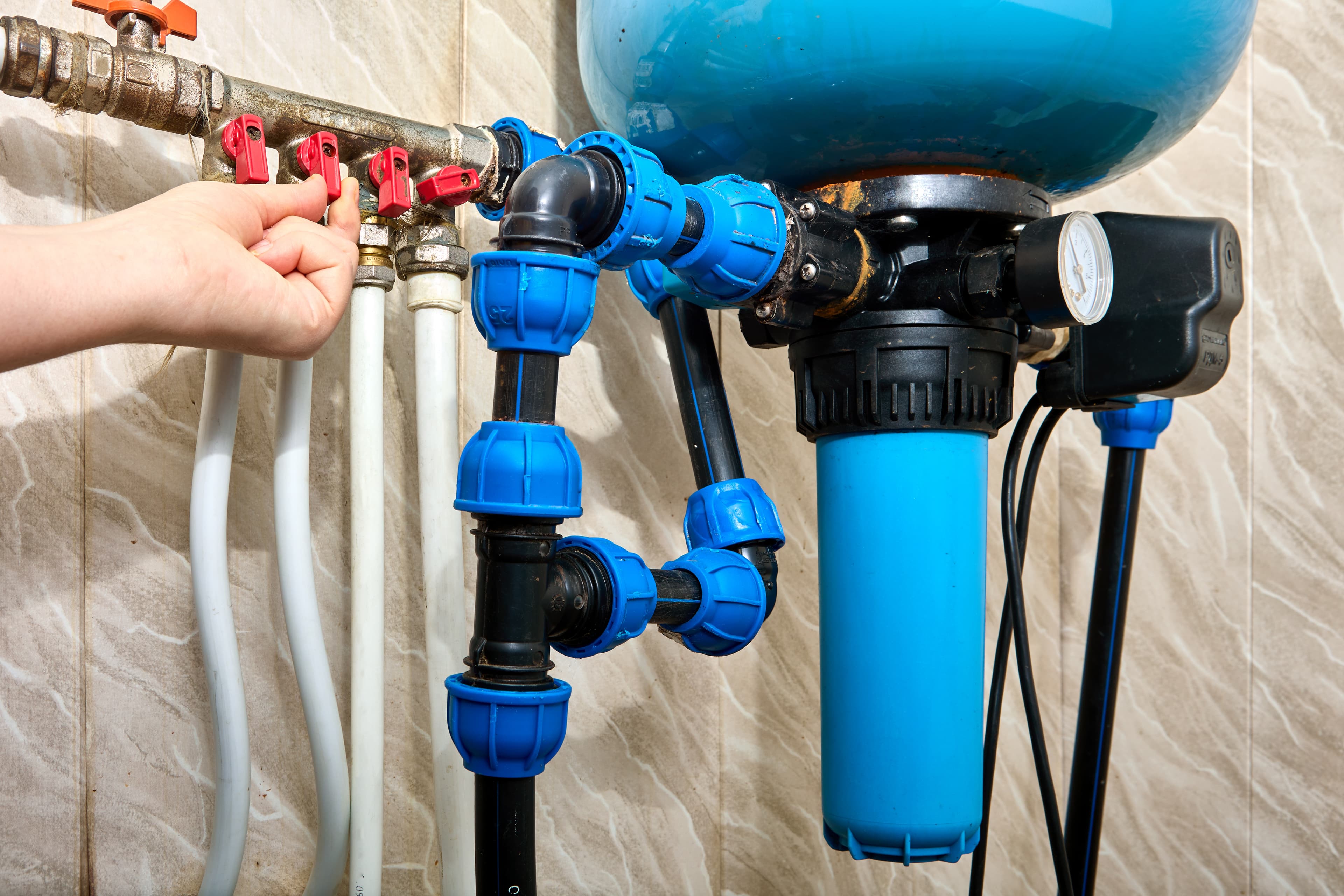
Public data is the starting point
Test your actual water. Free.
EWG datasets give the regional baseline. We come test your specific home so you know exactly what's in your tap · and only quote a system if it would actually help.
Same-day · 5-year warranty · $0 down