The Record · What we measure
What changes when the water gets fixed.
Six metrics we test in every San Fernando Valley home, the typical numbers we find, and what those numbers look like after a properly-engineered treatment system goes in. No theatrics, no invented case studies · just measurements and the methods we use to take them.
Six metrics · Documented · Measurable
 Metric · No. I
Hardness · scale, dry skin, soap waste
Hardness (gpg). 18 – 25 gpg → 0 gpg.
San Fernando Valley municipal water typically tests between 18 and 25 grains per gallon · the EPA classifies anything above 10.5 as 'very hard.' A correctly-sized dual-media softener brings it to zero, eliminating scale on faucets and shower glass and reducing soap and detergent consumption.
- Hardness (gpg)
- 18 – 25 gpg0 gpg
- Scale on glass
- ConstantNone
How we measure · Drop test · titration strip · electronic TDS reading.
 Metric · No. II
Chlorine residual · taste, smell, shower irritation
Free chlorine. 0.8 – 2.4 ppm → 0.0 ppm.
LADWP and Las Virgenes both maintain a chlorine residual at the tap · the upper end of that range is what produces the pool-water smell, dry skin, and faded laundry. Activated-carbon filtration at the main line removes 99%+ of free chlorine before it reaches a single fixture.
- Free chlorine
- 0.8 – 2.4 ppm0.0 ppm
- Pool-water smell
- DailyNone
How we measure · DPD-1 reagent test · color-card comparison.
 Metric · No. III
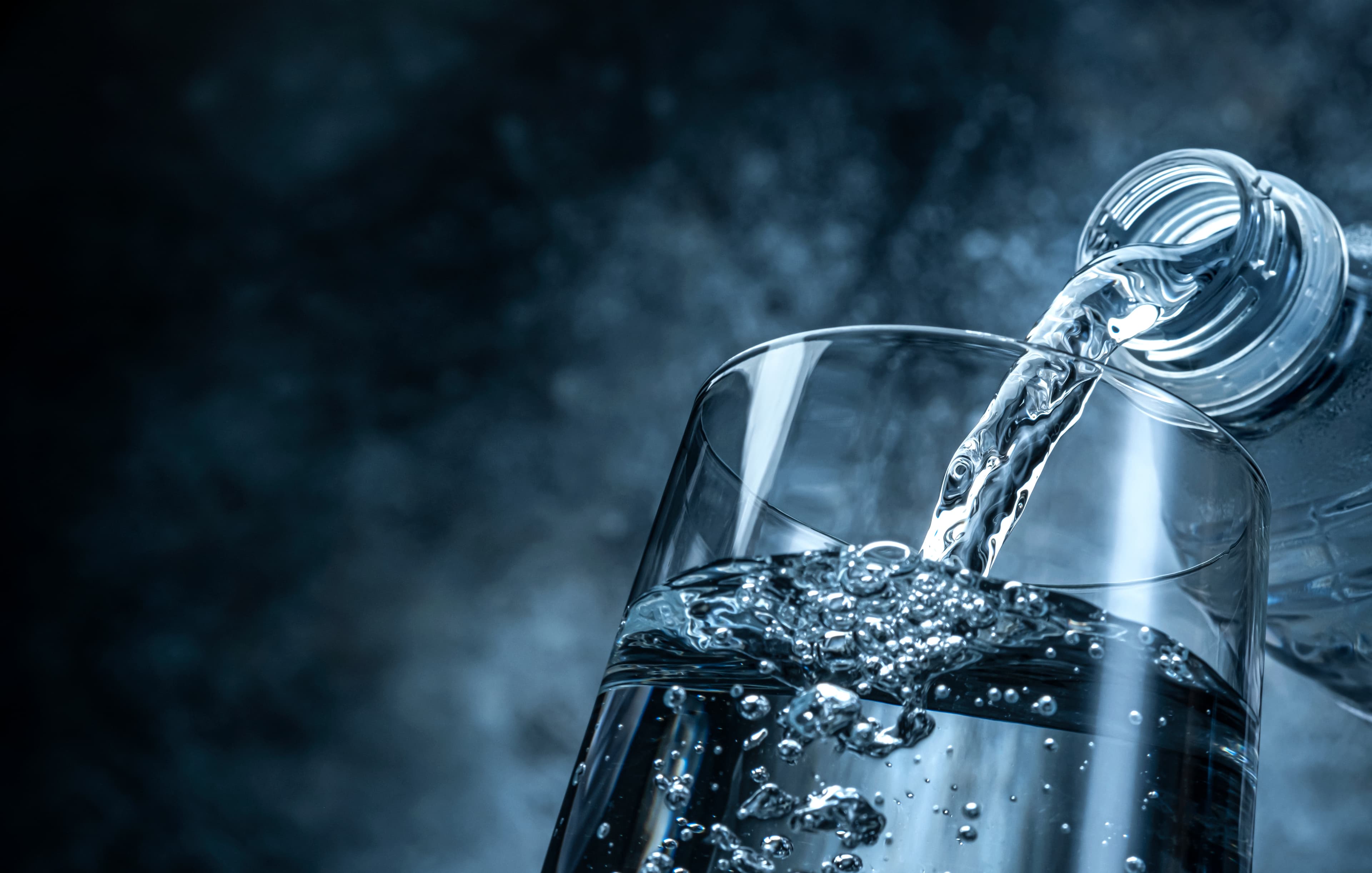
Disinfection byproducts (TTHMs) · chlorinated organic compounds
Total trihalomethanes. 32 – 47 ppb → <2 ppb.
When chlorine reacts with organic matter in source water, it forms trihalomethanes · compounds the EWG flags well below the legal EPA limit. SFV samples typically run 30–50 ppb. Properly-staged carbon filtration drops the reading below detectable range at the point of use.
- Total trihalomethanes
- 32 – 47 ppb<2 ppb
- EWG health limit
- 0.15 ppbMet
How we measure · Lab grab-sample · sent to certified water analysis lab.
 Metric · No. IV
Total dissolved solids (TDS) · minerals, salts, dissolved compounds
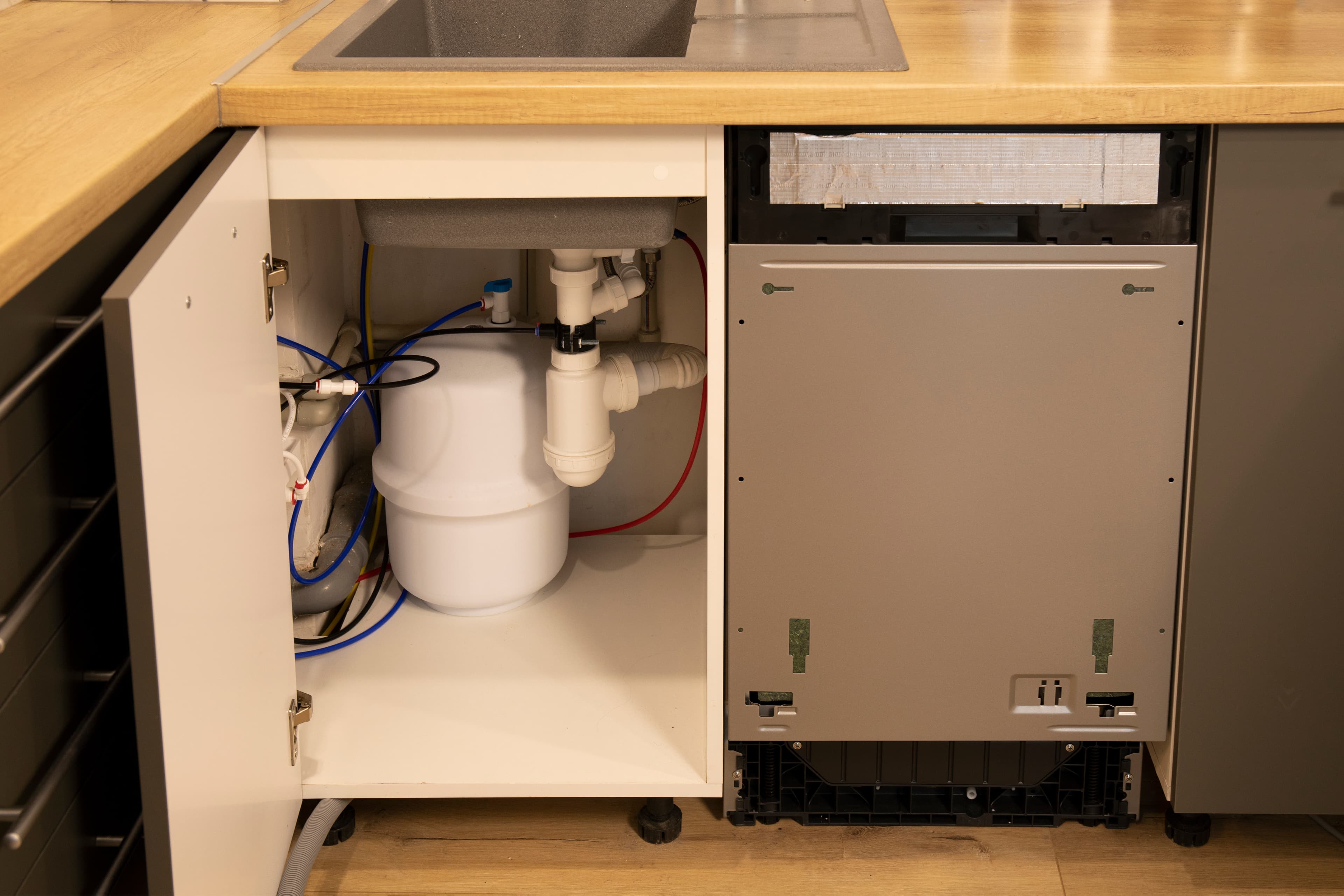
TDS at kitchen tap. 380 – 540 ppm → 5 – 15 ppm.
TDS measures everything dissolved in your water · minerals, salts, metals, organic compounds. Bottled spring water typically sits around 50 – 200 ppm. A properly-installed reverse-osmosis system at the kitchen sink reliably delivers 5 – 15 ppm with optional remineralization for taste and pH.
- TDS at kitchen tap
- 380 – 540 ppm5 – 15 ppm
- Reduction
- · 97 – 98%
How we measure · Hand-held TDS meter · before and after the membrane.
 Metric · No. V
Hexavalent chromium · the SFV groundwater concern
Chromium-6. 0.05 – 0.08 ppb → <0.02 ppb.
Hexavalent chromium has been documented in several San Fernando Valley groundwater zones for over two decades. California's public health goal sits at 0.02 ppb · roughly 1/500th of the federal limit. RO membranes paired with the right pre-treatment bring tap-water readings below the state guideline.
- Chromium-6
- 0.05 – 0.08 ppb<0.02 ppb
- CA public health goal
- 0.02 ppbMet
How we measure · ICP-MS lab analysis · independent certified lab.
 Metric · No. VI
Heater & fixture lifespan · the long-tail savings
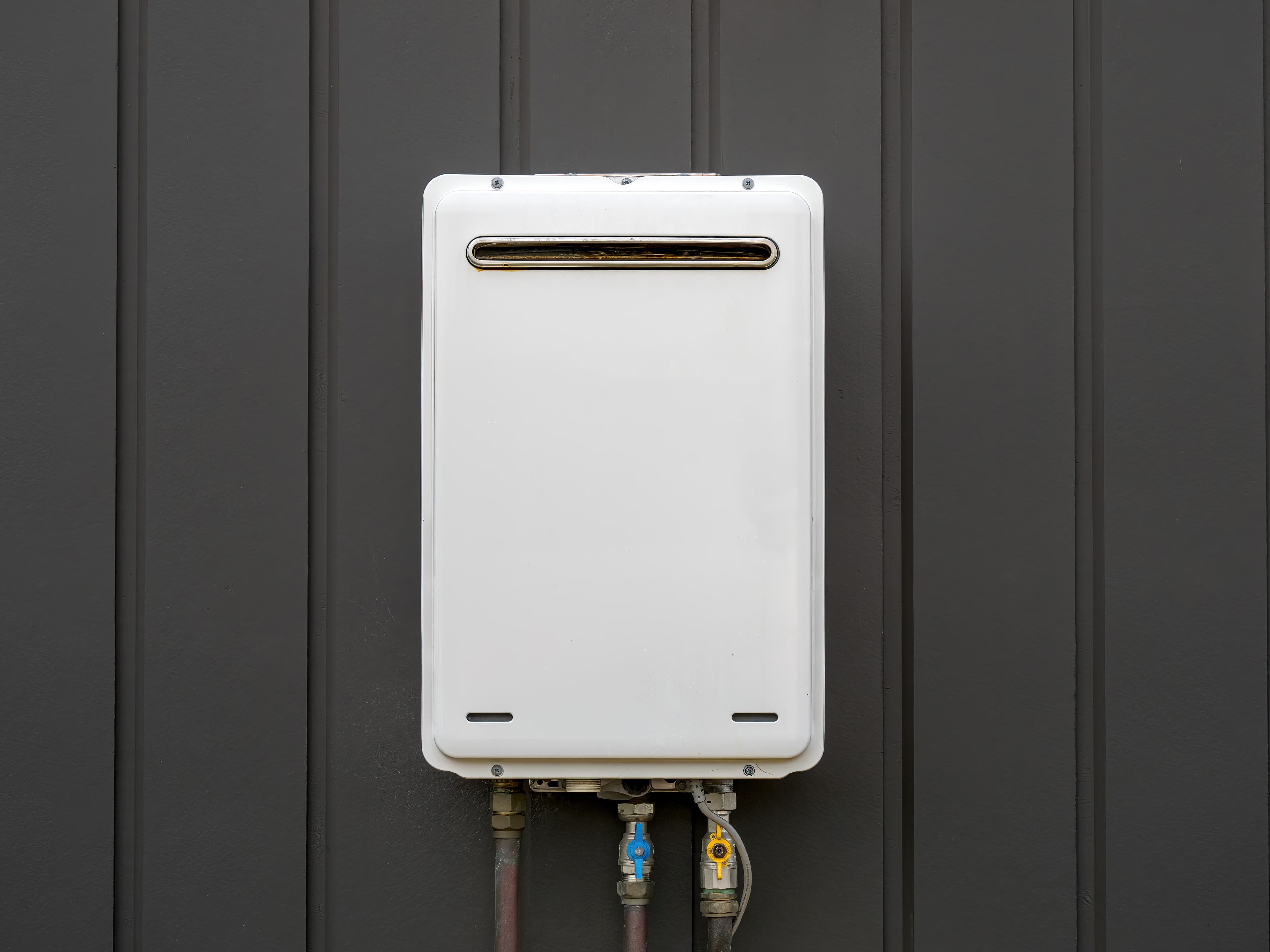
Tank heater life. 4 – 7 years → 12+ years.
Water heater manufacturers explicitly tie warranty life to incoming water hardness · scale deposits inside the tank insulate the heating element, reduce capacity, and shorten useful life. Softened, filtered water roughly doubles the operating life of tank heaters and tankless units alike.
- Tank heater life
- 4 – 7 years12+ years
- Fixture life
- Scaled in 2 yrsSpotless
How we measure · Documented in every major manufacturer's installation guide.
Your home, next
Get the same numbers from your tap.
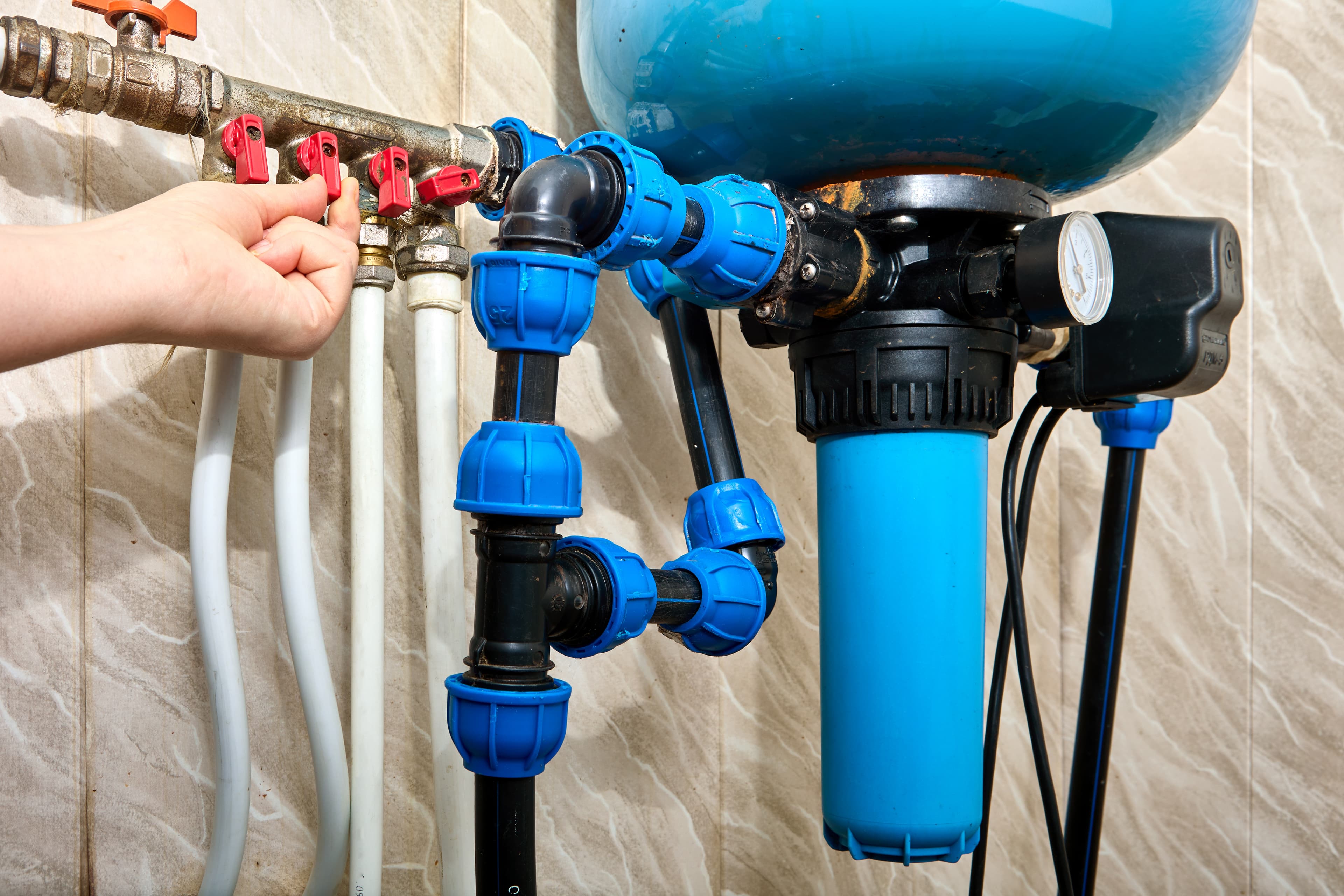
Free water test at your kitchen sink. We bring the strips, the meters, and a sample bottle. You see your real numbers · and we tell you whether you actually need a system. If you don't, we say so.
Same-day · 5-year warranty · $0 down